

What is the Best Thing for COPD?
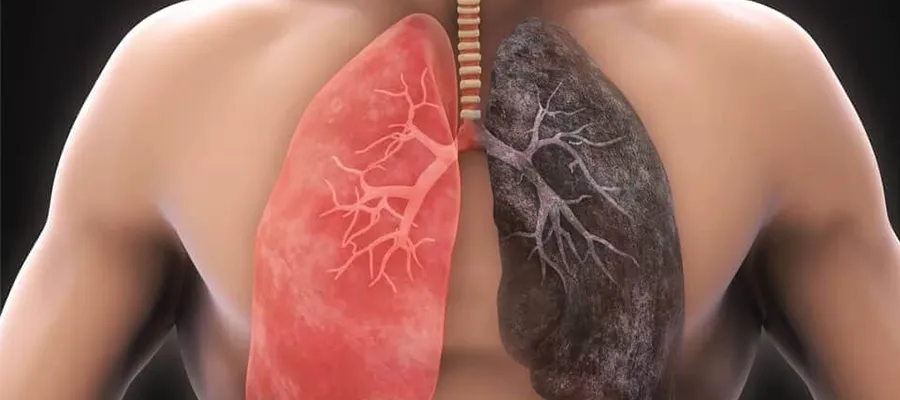
The question of what’s best for COPD is one of the most frequently sought answers by individuals struggling with this chronic condition and their families. Chronic Obstructive Pulmonary Disease (COPD) is a progressive and irreversible lung disease. Therefore, a multifaceted treatment approach is essential, not a single solution. However, the most emphasized point by medical authorities and experts is that quitting smoking is the factor that most significantly impacts the course of the disease. Smoking is one of the primary causes of COPD, and quitting reduces pressure on the lungs, improves respiratory function, and slows the progression of the disease.
The Importance of Quitting Smoking in COPD Treatment
Quitting smoking is one of the most critical interventions for COPD. Continued smoking deepens airway damage and rapidly worsens the disease. However, quitting smoking not only prevents further damage but also increases the effectiveness of existing treatments. Inflammatory processes caused by cigarette smoke decrease over time, phlegm production decreases, and patients begin to breathe more easily. Furthermore, the response to medications is enhanced during this process. When smoking is stopped, the body begins to repair itself, positively impacting the patient’s overall quality of life.
Appropriate Treatment Approaches for COPD Patients
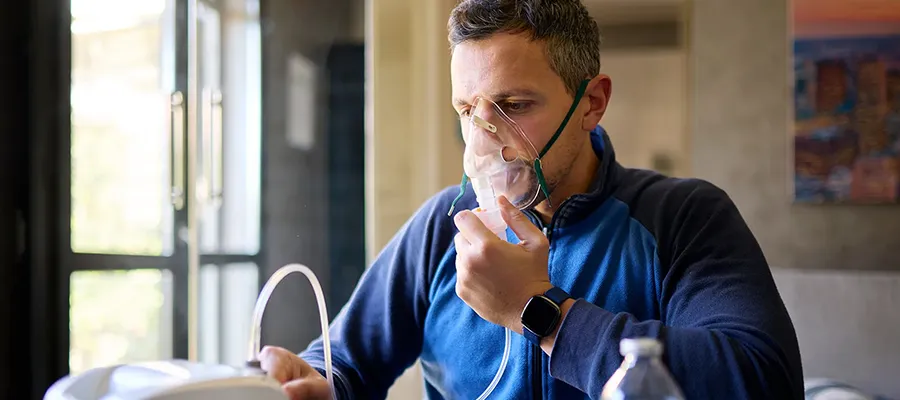
The methods used to treat COPD vary depending on the stage of the disease and the individual’s overall health. Inhaled medications are often prescribed to relax patients’ airways and facilitate airflow. When used regularly, these medications reduce shortness of breath and allow for easier performance of daily activities. For treatment to be effective, it is crucial that the medications are used as prescribed by a doctor and with the correct technique. Furthermore, breathing exercises, used as a supplement to treatment, while not increasing lung capacity, allow for more efficient use of existing capacity. This allows the individual to experience less strain on daily activities and more easily manage the physical limitations of the disease.
The Role of Lifestyle Changes
Lifestyle changes are as important as treatment for COPD. Factors such as the air quality of the patient’s environment, daily activity level, dietary habits, and stress management directly affect the course of the disease. Dusty, smoky, and chemically charged environments should be avoided. Homes should be regularly ventilated, humidity levels should be balanced, and cleaning products should be free of respirable substances. All of these contribute to easier lung function. Additionally, adequate fluid intake helps thin mucus and facilitates easier phlegm removal.
The Effect of Nutrition on COPD
COPD patients often have weakened immune systems, making them more vulnerable to infections. Therefore, a balanced, vitamin-rich diet is essential for boosting body resistance. Vegetables and fruits, especially those containing antioxidants, can reduce cellular damage caused by free radicals in the body. Avoiding excessive salt consumption can reduce fluid retention and pressure on the lungs. Adequate protein intake is important for maintaining muscle mass. Because weight loss or weakness, which can occur in COPD patients, can weaken the respiratory muscles, it’s crucial to maintain an ideal weight.
The Importance of Physical Activity and Exercise
A sedentary lifestyle can further limit respiratory function in COPD patients. Therefore, regular physical activity that doesn’t strain the lungs is crucial. Daily light walks or breathing exercises recommended by a doctor help improve lung capacity. Increasing circulation also allows oxygen to reach organs more effectively. Exercise also contributes to a greater sense of well-being and improves quality of life. Physical activity also alleviates the psychological burden of the disease and supports individuals’ ability to live independently.
The Place of Psychological Support
Because COPD is a long-term disease, its psychological effects are profound. Shortness of breath, social withdrawal, and a persistent feeling of illness can all lead to anxiety and depression over time. Relieving such emotional burdens also increases patient compliance with treatment. Receiving psychological support not only facilitates coping with the stress of the disease but also strengthens a person’s motivation to live. Therefore, psychological support should be considered as important a component of COPD treatment as physical therapy. When a patient feels less alone and maintains emotional strength, the treatment process progresses more effectively.
Personalized Treatment Approach in COPD
Determining the most effective treatment for COPD should take into account the disease stage, the individual’s age, general health status, and lifestyle habits. Each patient’s needs are unique, and the treatment plan should be tailored to their individual needs. While some patients may require medication alone, others may require respiratory therapies, physical rehabilitation, and oxygen supplementation. The success of the treatment process is directly related to the degree of adherence. Therefore, individuals who want to ease their burden of COPD should maintain regular doctor checkups, demonstrate commitment to treatment, and adhere to their personalized plans.
Cost Information on COPD Treatment Process
The treatment process for COPD varies depending on the type of medication used, therapies applied, the stage of the disease, and the individual’s overall needs. Therefore, it’s not possible to provide a fixed price. For procedures requiring specialized support, such as respiratory physiotherapy, nutritional counseling, or long-term oxygen therapy, a precise cost can be determined based on an individualized assessment. Therefore, it’s important to seek professional support to ensure an accurate price is determined based on your treatment plan and individual needs. Contact us today to learn about the best options for COPD.