

COPD Balloon Treatment in Turkey
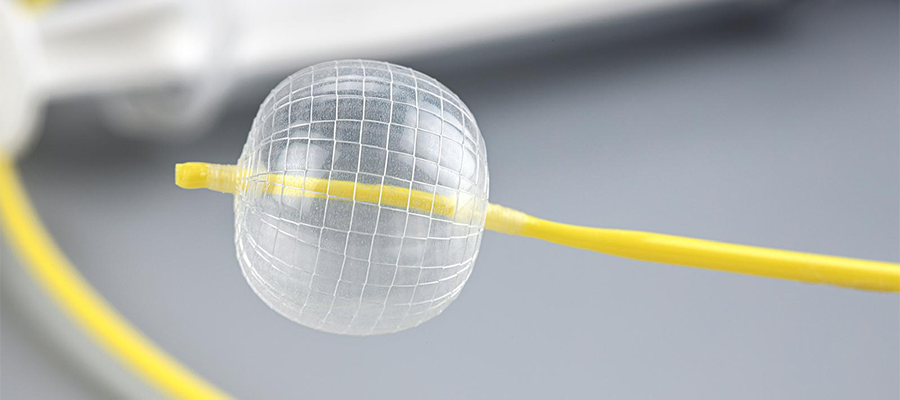
COPD balloon treatment in Turkey is a minimally invasive procedure that helps open narrowed airways to improve breathing. This treatment involves inserting a small balloon via bronchoscopy into blocked bronchial passages and inflating it to widen the airway. It’s especially beneficial for patients who don’t respond well to medication or are not candidates for surgery.
Turkey offers advanced facilities and experienced pulmonologists, making it a preferred destination for affordable COPD care. The procedure is usually outpatient and has a quick recovery time. Balloon treatment can significantly reduce shortness of breath and enhance quality of life. A doctor’s evaluation is essential to determine eligibility and plan treatment.
At what stage is COPD Balloon Treatment performed?
COPD Balloon therapy is generally applied to COPD patients with severe chronic bronchitis who do not receive an adequate response to classical treatment methods. This treatment can be applied especially in cases of severe shortness of breath that cannot be controlled with methods such as bronchodilator drugs, corticosteroids, oxygen support and pulmonary rehabilitation programs.
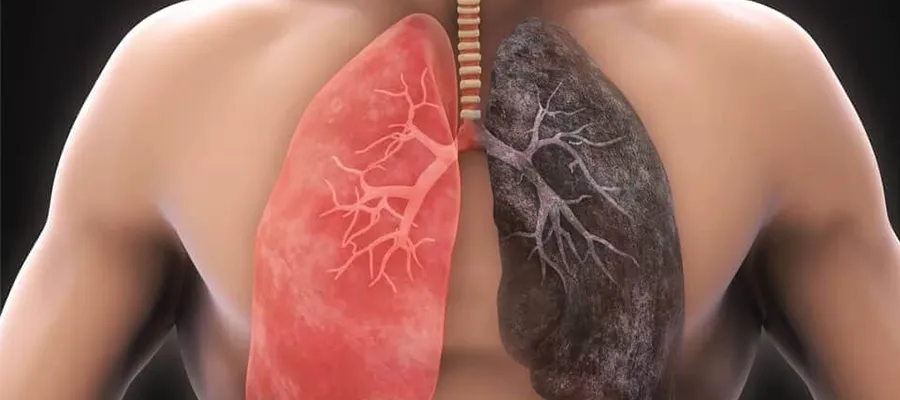
Excessive narrowing occurs in the lung airways of COPD patients. These contractions prevent air passage and affect the quality of life of the patient. COPD balloon treatment aims to restore a more balanced functioning of the lung by interfering with narrowed airways. The suitability of COPD patients for this treatment is determined by experts with detailed examinations.
Stages of COPD and Treatment Options
COPD is classified into four stages: mild, moderate, severe, and very severe. In the early stages, the disease is generally silent; although symptoms such as cough and phlegm may be present, it does not significantly impact daily life. In later stages, shortness of breath becomes more pronounced, and even climbing stairs or walking short distances becomes difficult. In the final stages, patients often experience difficulty breathing even at rest, and their quality of life is significantly impaired.
This is where balloon therapy comes into play. This method, typically used in patients with stage 3 and stage 4 COPD, is considered in cases that fail to achieve adequate improvement despite conventional treatments and are partially resistant to medication. However, not every advanced-stage COPD patient is a candidate for balloon therapy. The key criteria here are the extent of lung damage and the areas where this damage is concentrated.
At Which Stage Is Balloon Treatment More Effective?
Balloon therapy is most effective when COPD severely limits lung capacity but the patient’s overall condition is still suitable for intervention. This is typically seen in Stage 3 or Stage 4 COPD. During this stage, patients experience difficulty performing daily tasks, severe shortness of breath, and physical activity is restricted.
How to Determine Suitability for Balloon Treatment?
A respiratory test alone is not sufficient to determine the stage of treatment. Specialist physicians conduct a detailed evaluation during this process. Lung CT scans, examination of collateral airways, and detection of regional damage are the key factors determining the success of balloon therapy. Based on all this information, a decision is made regarding the patient’s suitability for this treatment.
Patients who have quit smoking, have no other comorbidities such as infections, and are in stable general health are particularly likely to benefit from balloon treatment. Furthermore, the patient’s psychological preparedness for the procedure and their ability to adapt to the post-procedure process are crucial for the success of the treatment.
When is COPD Balloon Treatment Not Applied?
While balloon surgery offers promise for many patients, it is not recommended in some cases. The procedure can be risky if there is extensive lung damage or comorbidities such as serious heart disease. Furthermore, this method may be ineffective in patients with active respiratory infections.
Therefore, the decision-making process for balloon treatment is based not only on the stage of the disease but also on individual differences. This is a personalized treatment model, shaped by expert evaluation rather than a standardized protocol.
Pre- and Post-Implementation Process
Before balloon treatment, the patient’s respiratory capacity is measured in detail, lung CT scans are evaluated, and any infections are treated. Regular pre- and post-treatment checkups, consistent medication intake, and regular breathing exercises will enhance the effectiveness of the treatment.
Patients can generally be discharged the day after the procedure. Shortness of breath decreases quickly in most patients, and their ability to perform daily activities improves significantly. However, for this improvement to be permanent, patients must adapt their lifestyle accordingly.
In Which Patients Does COPD Balloon Treatment Produce More Successful Results?
Patients who achieve successful results with this treatment generally have moderate-to-advanced COPD, are in good general health, and are able to adapt to the procedure.
In some patients, treatment not only reduces shortness of breath but also increases exercise capacity, increases walking distance, and provides psychological relief. This means this method can positively impact patients’ lives not only physiologically but also emotionally.
How Much Does COPD Balloon Treatment Cost?
The cost of balloon treatment can vary depending on the experience of the specialist performing the procedure, the hospital’s technical infrastructure, and the patient’s needs. Additionally, imaging, testing, and follow-up procedures performed during the treatment process will also impact the price. Individuals seeking precise pricing information should request detailed information after an individualized evaluation. Contact us today to learn more about the stages of COPD balloon treatment.